How to Incorporate Facial Masks into Your Skincare Routine
Facial masks are a popular skincare product that can provide numerous benefits for your skin. Whether you have oily, dry, sensitive, or combination skin, incorporating facial masks into your routine can help address various skin concerns and improve overall skin health. In this article, we will discuss how you can effectively incorporate facial masks into your skincare routine to achieve radiant and healthy skin.
1. Determine Your Skin Type
The first step in incorporating facial masks into your skincare routine is to determine your skin type. Knowing your skin type will help you choose the right type of mask that will address your specific skin concerns. There are different types of facial masks available, including clay masks, sheet masks, exfoliating masks, and hydrating masks. If you have oily skin, opt for a clay mask to help control excess oil production. For dry skin, choose a hydrating mask to nourish and moisturize your skin.
2. Cleanse Your Skin
Before applying a facial mask, it is essential to cleanse your skin thoroughly to remove any dirt, oil, or makeup residue. Use a gentle cleanser that is suitable for your skin type to ensure that your skin is clean and ready to receive the benefits of the mask. Cleansing your skin will help the mask penetrate more effectively and deliver optimal results.
People Also Look For:
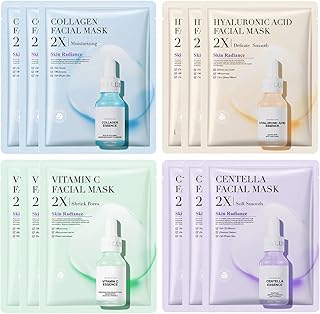
- Collagen Face Mask, Collagen Deep Mask, Overnight Face Mask- 3Pcs Collagen Mask Hydrating Face Mask Sheet Mask - Face Masks Skinca...
- BEAUX Skin Care «Lumi» Red Light Face Mask LED device with 6 bonus colours for rejuvenation, anti-aging, fighting wrinkles, smoo...
- Facial Face Masks, Collagen Face Masks,Moisturizing face masks for dry skin,Hydrating Anti-Aging Facial Masks,Skincare For All Ski...
- 5 x 24K Gold Bio Collagen Face Mask Crystal Gold Powder Gel Facial Masks Anti Ageing Hydrating Moisturizing Brightening Skincare f...
- XdealCozyxc 5 PCS Squalane Neck Mask Patches, Firming Brightening Hydrating Neck Wrinkle Patches
3. Apply the Facial Mask
Once your skin is clean, apply the facial mask evenly to your face, avoiding the eye area. Follow the instructions on the product packaging for the recommended application time. Most masks should be left on for 10-15 minutes to allow the ingredients to work their magic. During this time, you can relax and unwind while the mask works to improve your skin's condition.
4. Rinse Off and Moisturize
After the recommended time has passed, rinse off the mask with lukewarm water until all traces of the mask are removed. Pat your skin dry with a clean towel and follow up with your favorite moisturizer to lock in moisture and keep your skin hydrated. Moisturizing after using a facial mask is crucial to prevent dryness and maintain a healthy skin barrier.
5. Frequency of Use
The frequency of using facial masks depends on your skin type and the type of mask you are using. For oily skin, you can use a clay mask 1-2 times a week to help control oil production. If you have dry skin, opt for a hydrating mask 2-3 times a week to keep your skin moisturized. Exfoliating masks can be used once a week to remove dead skin cells and promote cell turnover.
6. Customize Your Routine
It is essential to customize your skincare routine based on your skin's needs and concerns. If you have acne-prone skin, look for a mask that contains ingredients like salicylic acid or tea tree oil to help combat breakouts. For anti-aging benefits, choose a mask with ingredients like retinol or collagen to improve skin elasticity and reduce the appearance of fine lines and wrinkles.
7. Consistency is Key
Consistency is key when it comes to skincare. Make sure to incorporate facial masks into your routine regularly to see the best results. Consistently using masks that target your specific skin concerns will help improve your skin's overall health and appearance over time. Remember that skincare is a journey, and patience is essential to achieve radiant and healthy skin.
By following these steps and incorporating facial masks into your skincare routine, you can achieve glowing, healthy skin that looks and feels its best. Experiment with different types of masks to find the ones that work best for your skin type and concerns. Remember to listen to your skin and adjust your routine as needed to maintain optimal skin health.